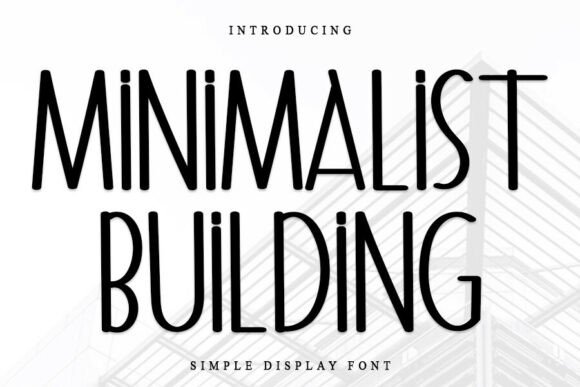
Minimalist Building: A Festive Display Typeface for Editorial Design
Minimalist Building is a festive and merry typeface that captures the spirit of the holiday season, offering designers a unique way to infuse warmth and whimsy into their projects. With its decorative elements and whimsical flair, it adds a touch of enchantment to your designs, making it an ideal choice for creators who want to elevate their visual storytelling without sacrificing readability or elegance. As a premium Display font, it stands out in crowded digital spaces, whether you are crafting a holiday newsletter, designing a magazine cover, or creating printable guides for your audience.
Why Minimalist Building Enhances Holiday Branding and Seasonal Campaigns
When you integrate Minimalist Building into your seasonal campaigns, you immediately signal a tone of joy and celebration. This Fonts collection is not just about decoration; it is about setting a mood that resonates with readers during the most festive time of the year. For bloggers and publishers, using a typeface that embodies the "festive and merry" spirit can significantly boost engagement rates on holiday-themed posts. The decorative elements inherent in Minimalist Building allow you to create eye-catching headers and pull quotes that stand out against clean, minimalist backgrounds, ensuring your message is both seen and felt.
The whimsical flair of this display font makes it particularly effective for limited-time offers, holiday sales announcements, and special edition content. Unlike generic script fonts that can become hard to read at smaller sizes, Minimalist Building maintains clarity while offering artistic charm. This balance is crucial for editorial design, where you must capture attention quickly but also guide the reader smoothly through your content. By choosing a font that aligns with the emotional context of your writing, you create a cohesive experience that strengthens your publication’s brand identity during peak seasonal traffic.
Minimalist Building for Magazine Covers and Digital Publications
In the world of digital magazines and online publications, first impressions are everything. Minimalist Building serves as a powerful tool for cover design, where typography often carries more weight than imagery. Its distinctive character allows headlines to pop, drawing the eye immediately to the main story or feature article. When used for mastheads or section titles, the font’s decorative nature adds a layer of sophistication that elevates the perceived value of your content.
For independent content brands and newsletter writers, consistency is key to building a loyal readership. Using Minimalist Building for your recurring section headers or quote graphics creates a recognizable visual rhythm. Readers begin to associate the font’s whimsical style with the quality and tone of your work. This subtle branding technique helps differentiate your publication from competitors who may rely on standard system fonts. Furthermore, because Minimalist Building is designed as a display font, it pairs exceptionally well with simpler body text, allowing you to maintain a clear visual hierarchy that keeps readers engaged from the headline to the final paragraph.
Using Minimalist Building in Ebooks and Lead Magnets
Ebook creators and course developers know that interior design plays a significant role in user experience. Minimalist Building can transform a standard ebook into a visually engaging asset. Use it for chapter openers, subheadings, or emphasis within text blocks to break up long passages of copy. The festive and merry personality of the font can make instructional content feel more approachable and less formal, which is especially effective for lifestyle, wellness, or creative niche ebooks.
When designing lead magnets such as printable planners, worksheets, or checklists, typography dictates usability. While Minimalist Building should be reserved for titles and accents due to its decorative nature, its presence ensures that these free resources feel premium and thoughtfully designed. A well-designed lead magnet reflects positively on your main product or service. By incorporating Minimalist Building into your PDF exports, you ensure that your brand looks polished across all platforms, from mobile screens to printed pages. This attention to detail encourages downloads and shares, expanding your reach organically.
Font Pairing Strategies for Editorial Layouts
To maximize the impact of Minimalist Building, strategic font pairing is essential. As a display font, it works best when contrasted with a highly readable serif or sans serif font for body copy. For example, pairing the whimsical flair of Minimalist Building with a classic serif like Garamond or Playfair Display creates a timeless editorial look suitable for literary blogs or high-end fashion magazines. Alternatively, combining it with a clean sans serif font like Helvetica or Lato yields a modern, crisp aesthetic perfect for tech newsletters or contemporary lifestyle brands.
This combination leverages the strengths of each typeface: the display font grabs attention and sets the tone, while the body font ensures comfort during extended reading sessions. When designing layouts for web or print, consider the scale. Use Minimalist Building at larger point sizes where its decorative details can be appreciated, and reserve smaller sizes for functional text. This approach respects the reader’s experience, preventing visual fatigue while maintaining a strong brand voice. Always test your pairings in black and white to ensure sufficient contrast and hierarchy before adding color.
Readability and Technical Considerations for Web and Print
While Minimalist Building is undeniably charming, understanding its technical limitations is vital for professional results. As a display font, it is not intended for long-form body text. Overusing it can hinder readability and reduce accessibility for users with visual impairments. Instead, focus on its application in headings, logos, social media graphics, and short promotional texts. Ensure that your web implementation uses appropriate CSS font-weight settings to render the characters sharply on high-resolution screens.
For print materials, such as business cards, flyers, or packaging design, verify the resolution of your files. The decorative elements of Minimalist Building may lose detail if printed at very small sizes or low DPI. It is advisable to use the font at sizes no smaller than 12pt for print unless you are confident in the output quality. Additionally, check the included styles and alternates provided by the font creator. Many premium fonts offer swashes or alternate glyphs that can add extra personality to specific words, allowing you to customize the whimsical flair to fit the exact context of your design project.
Licensing and Commercial Use for Content Creators
Before downloading or purchasing Minimalist Building, review the licensing terms carefully. Most premium fonts come with specific guidelines regarding commercial use, which is crucial for bloggers, publishers, and designers who monetize their work. Ensure your license covers the types of projects you plan to create, such as ebooks, templates, paid newsletters, and client publications. Some licenses may restrict usage in logo design or require additional fees for extensive distribution.
Investing in a proper commercial license protects your business from legal issues and supports the type designers who create these valuable assets. By using Minimalist Building legally, you contribute to a sustainable ecosystem for creative tools. Whether you are designing a single holiday card or a full suite of branded marketing materials, having the correct license gives you peace of mind and allows you to focus on what matters most: creating compelling, high-quality content that resonates with your audience.