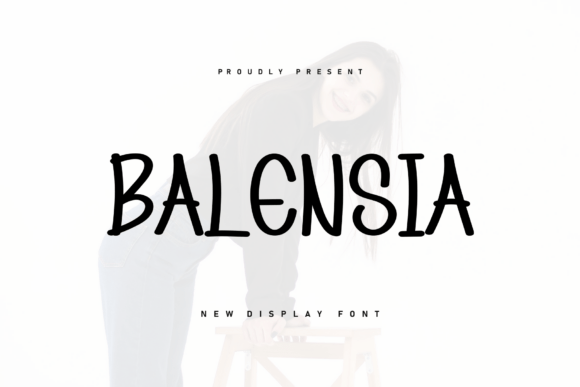
Balensia: A Sweet Handwritten Display Font for Cozy Branding
I remember staring at a blank Figma canvas, the cursor blinking mockingly. The client wanted a brand identity that felt "warm," "inviting," and distinctly human, but every standard serif I pulled from my library felt too stiff, and every modern sans-serif felt cold. That was when I stumbled upon Balensia. It wasn’t just another typeface in my queue; it was the missing piece of a puzzle I hadn’t fully articulated yet. As an experienced brand designer, I’ve tested hundreds of fonts, but few have such an immediate, visceral impact on the mood of a project. Balensia is a sweet and beautiful handwritten font. Featuring characters that dance along the baseline, this font will add a cozy accent to any design project you wish to create.
Balensia for Boutique Packaging and Product Labels
When I first loaded Balensia into a mockup for a small-batch skincare line, the transformation was instant. This isn’t a font meant for dense paragraphs or technical manuals; it is a premium display font designed to catch the eye and evoke emotion. The characters in Balensia don’t sit rigidly on the grid. Instead, they sway gently, creating a rhythm that feels organic and approachable. On a product label, this subtle movement translates to a sense of care and craftsmanship. I placed the font on a cream-colored jar mockup, and the contrast between the soft, creamy background and the delicate, flowing strokes of the letters created an immediate sense of luxury without being intimidating. For handmade sellers and online shop owners looking to convey authenticity, using Balensia as the primary logotype or hero text on packaging can significantly elevate the perceived value of the product. It whispers rather than shouts, which is often exactly what a boutique brand needs to do.
Balensia in Logo Design and Brand Identity Systems
Integrating a handwritten font into a logo system requires careful consideration of legibility and versatility. In my testing, I found that Balensia shines brightest when used as an accent or a standalone wordmark for short names. I experimented with it for a local café’s visual refresh, pairing it with a clean, minimal sans serif font for the menu items and secondary information. The result was a balanced hierarchy where Balensia provided the personality and warmth, while the supporting typography ensured readability. However, it is crucial to note that Balensia should not be your go-to for long-form body copy. Its decorative nature and dynamic baseline make it unsuitable for blocks of text. Instead, use it strategically in logo design, on business cards, or as a signature element in your brand guidelines. When used correctly, it adds a layer of human touch that helps build trust and recognition with your audience. It transforms a generic corporate identity into something with soul.
Balensia for Social Media Graphics and Digital Headers
In the fast-scrolling world of social media, stopping power is everything. I applied Balensia to a series of Instagram posts for a creative studio portfolio, using it for pull quotes and key headlines. The font’s aesthetic appeal works exceptionally well on digital platforms because its curves and flourishes stand out against busy backgrounds or bold colors. Whether you are designing a website header, a flyer, or a promotional banner, Balensia adds a creative font flair that draws attention immediately. I noticed that when paired with ample white space, the font allowed the message to breathe. It doesn’t compete with imagery; it complements it. For content creators and marketers, this means you can communicate a friendly, accessible tone without sacrificing professional polish. Just ensure that the text size is large enough to maintain clarity, as the intricate details of the handwritten style can get lost if scaled down too far.
Balensia Pairing Strategies for Modern Typography
One of the most common questions designers face is how to pair a distinct display font like Balensia with other typefaces. The key is contrast. Because Balensia is inherently decorative and informal, it pairs beautifully with neutral, structured fonts. I recommend combining it with a geometric sans serif font for a contemporary look, or a classic serif font for a more traditional, editorial feel. In one project involving wedding invitations, I paired Balensia for the couple’s names with a refined serif for the event details. The juxtaposition highlighted the elegance of both fonts. Avoid pairing it with other script or handwritten fonts unless you are highly skilled in typographic hierarchy, as this can quickly become chaotic. Think of Balensia as the star of the show and the supporting typeface as the stage—it provides the structure that allows the star to shine. Always test these combinations in grayscale first to ensure the visual weight is balanced before adding color.
Practical Considerations and Licensing for Commercial Use
Before incorporating Balensia into final client deliverables, it is essential to review the included styles and file formats. Most high-quality fonts come with various weights, alternates, and ligatures that can enhance your design flexibility. Check if the package includes webfont versions if you plan to use the typeface on client websites. Furthermore, always verify the commercial license. Using a commercial font in branding, packaging, templates, or merchandise requires proper licensing to avoid legal issues. Whether you are designing for a small business owner or a large corporation, ensuring you have the right permissions protects both you and your client. Take time to download the trial or demo version if available, and test Balensia across different mediums—print, screen, and physical materials—to see how it holds up. This due diligence ensures that the font performs as beautifully in reality as it does in your initial concept drafts.