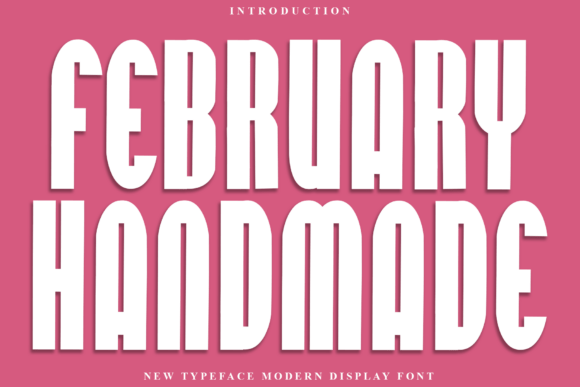
February Handmade: A Festive Display Font for Holiday Branding
I opened a blank brand board on my monitor, staring at the white void that always feels both intimidating and exciting. The client was a small artisanal candle maker launching a limited-edition winter collection, and they needed a visual identity that felt warm, whimsical, and undeniably festive. That’s when I pulled up February Handmade. It is not just another decorative typeface; it is a festive and merry typeface that captures the spirit of the holiday season with a distinct personality. As I began dragging it onto the canvas, I knew immediately that this display font would anchor the entire project.
In the world of Fonts, finding one that balances charm with usability can be tricky. Many decorative options sacrifice legibility for style, but February Handmade manages to keep its decorative elements and whimsical flair while remaining readable in short bursts. It adds a touch of enchantment to your designs without feeling like a costume. Over the next few hours, I tested this typeface across various assets, from the primary logo mark to social media graphics, and here is what I found about using it in real-world branding scenarios.
February Handmade for Logo Design and Brand Identity Systems
The first test was always the most critical: the logo. When you place February Handmade into a logo design context, it demands attention. Its handwritten yet structured nature gives it an approachable feel that works beautifully for boutique identities, handmade shops, and creative studios. I used it for the main wordmark of the candle brand, setting it against a deep emerald green background. The contrast between the organic curves of the letters and the solid color block created an immediate sense of premium quality.
However, as an experienced designer, I know that a logo is only one part of a brand identity system. Using a display font like this requires strategic restraint. While February Handmade is perfect for the primary logotype, it cannot carry the weight of secondary information. I paired it with a clean, neutral sans serif font for subheaders and body text. This combination allowed the whimsical character of the headline to shine while maintaining professional readability elsewhere. The result was a cohesive look where the typography told a story before the customer even read the product description. For businesses looking to inject personality into their commercial font strategy, starting with a strong display font like this sets the right tone for recognition and engagement.
February Handmade in Packaging Design and Product Labels
Packaging design is where typography meets physical space, and February Handmade truly excels in this arena. I moved the design files into a mockup environment, placing the font on cylindrical tin labels and flat cardboard boxes. The decorative elements of the typeface caught the light and added texture to the packaging without needing extra graphical clutter. Because it is a display font, it works best when given room to breathe. On smaller product labels, I had to adjust the tracking slightly to ensure the letters didn’t bleed together, especially on curved surfaces.
This typeface is particularly effective for seasonal products, gift sets, and limited-run items. The "merry" aspect of its design language resonates with consumers looking for something special during the holidays. Whether you are designing labels for baked goods, skincare products, or craft supplies, February Handmade provides that instant emotional connection. It transforms a standard package into a keepsake. Just remember that because of its detailed nature, it should be reserved for prominent placement on packaging rather than fine print details like ingredients or legal disclaimers.
February Handmade for Social Media Graphics and Web Headers
Digital presence requires a different kind of typographic hierarchy, but the core principles remain the same. I took the brand assets and adapted them for Instagram posts and a website header. On social media graphics, the font’s whimsical flair helped stop the scroll. Users are accustomed to seeing rigid, corporate fonts in their feeds; seeing something with handcrafted charm creates a pause. I used it for overlay text on lifestyle photography, ensuring the text remained large enough to be legible on mobile screens.
For web design, February Handmade served perfectly as a hero section headline. It set the mood for the landing page immediately. However, I avoided using it for navigation menus or button text. The irregular shapes of the letters can become difficult to scan quickly, which hurts user experience. Instead, I kept the website’s functional typography simple and let February Handmade handle the emotional heavy lifting. This approach ensures that your site remains accessible and easy to navigate while still feeling unique and branded. It is a reminder that even the most beautiful display font must serve the user’s needs.
February Handmade for Editorial Design and Marketing Materials
Beyond digital and packaging, I tested the font in traditional marketing materials such as flyers, postcards, and editorial layouts. In these contexts, February Handmade acts as an accent font or a decorative element. I used it to highlight key phrases within a larger layout dominated by a modern serif font. The interplay between the structured serifs and the playful handmade style created a dynamic visual rhythm that kept the reader engaged.
This versatility makes it a valuable addition to any designer’s toolkit. Whether you are creating a wedding invitation suite, a holiday newsletter, or a promotional flyer, the font brings a level of craftsmanship that digital templates often lack. It suggests that care was taken in the creation of the material, which builds trust with the audience. When reviewing included styles, I appreciated that the font offered enough variation to create subtle differences in emphasis without breaking the visual harmony. These small details matter in high-end design work.
Practical Considerations and Font Pairing Advice
Before committing to February Handmade for a final client project, there are practical steps every designer should take. First, always test the font at various sizes. While it shines as a headline or logo font, its decorative elements may become muddy if scaled down too far. Second, consider the file formats and licensing. Ensure you have the correct commercial license for your intended use, whether that involves print-on-demand products, merchandise, or digital templates.
Pairing is crucial. Since February Handmade is a display font with strong personality, it pairs best with understated typefaces. A geometric sans serif or a classic serif font will ground the design and provide balance. Avoid pairing it with other script fonts or overly decorative typefaces, as this can create visual chaos. The goal is to let February Handmade be the star while the supporting typography handles the information. By following these guidelines, you can leverage the full potential of this festive and merry typeface that captures the spirit of the holiday season, ensuring your designs are both enchanting and effective.