Onlink Display Font: Injecting Cheerful Energy Into Editorial Design
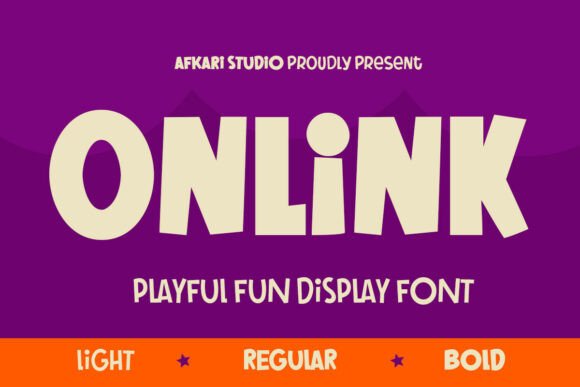
I was staring at a blank canvas for a digital coaching workbook when the usual suspects—clean sans-serifs and rigid geometric typefaces—felt too sterile. The project needed warmth, approachability, and a spark of joy to match the supportive tone of the content. That was the moment I discovered Onlink, a playful and fun display font designed to bring cheerful energy and bold personality into your creative projects. Featuring lively letterforms and friendly character shapes, this font instantly transformed a dry layout into an inviting experience. If you are looking to elevate your brand identity or add a touch of whimsy to your publications, understanding how to integrate such a distinctive typeface is essential for modern editorial design.
Why Onlink Is the Ideal Choice for Lifestyle Blog Headers
When redesigning the header for my lifestyle blog, I needed a typeface that could command attention without shouting. Onlink serves as a perfect example of a premium font that balances visual weight with readability. Unlike standard serif fonts that can feel traditional or script fonts that can become illegible at large sizes, Onlink offers a unique middle ground. Its rounded edges and open counters create a sense of friendliness that resonates immediately with readers scrolling on mobile devices. For bloggers and publishers, using Onlink in article titles or featured post headers helps establish a consistent mood right from the first glance. It signals to the audience that the content within is engaging, accessible, and perhaps a bit unconventional. By choosing this creative font for your primary navigation or hero sections, you set a positive emotional tone that encourages longer reading sessions and higher engagement rates.
Enhancing Ebook Covers and Printable Planners With Bold Personality
In the world of digital products, the cover is everything. Whether you are designing a recipe ebook, a wedding guide, or a printable planner, the typography must convey the essence of the material instantly. I tested Onlink for a series of downloadable worksheets, and its versatility shone through. Because it is classified as a display font, it excels in short bursts of text where impact matters more than paragraph length. When used for chapter openers or section headings in a PDF guide, Onlink breaks up dense text and guides the reader’s eye naturally. Its playful nature makes complex information feel less intimidating, which is particularly effective for educational materials or self-help workbooks. Pairing Onlink with a clean sans serif font for body copy creates a sophisticated contrast; the display font handles the emotional appeal while the secondary typeface ensures clarity. This combination is crucial for maintaining professional credibility while still injecting personality into your design assets.
Building Brand Identity Through Consistent Typography
A strong brand identity relies on consistency, but that does not mean boring. Many independent creators struggle to find a font that feels both professional and distinct. Onlink addresses this by offering a recognizable visual signature that can be woven throughout various media. From social media graphics to newsletter headers, having a dedicated display font allows for immediate brand recognition. When you use Onlink across your marketing materials, you create a cohesive narrative. For instance, using the same playful style in your email subject lines or promotional banners reinforces the cheerful energy associated with your content. This consistency builds trust with your audience, as they begin to associate the font’s friendly aesthetic with your voice. Furthermore, because Onlink is available in multiple weights and styles, you can maintain hierarchy without losing the brand’s core personality. This flexibility is invaluable for designers who need to adapt their look for different platforms while keeping the brand soul intact.
Optimizing Readability and Visual Hierarchy in Digital Layouts
While Onlink is undeniably charming, its primary strength lies in its ability to structure content effectively. In editorial design, visual hierarchy dictates what the reader sees first, second, and third. Using Onlink for pull quotes or emphasized statements draws the eye away from the main body text, creating a rhythmic flow that keeps readers engaged. However, it is important to remember that as a display font, it is not intended for long-form body copy. The best practice is to pair it with a highly readable serif font for paragraphs, ensuring that the detailed content remains easy to digest. This pairing strategy works exceptionally well in magazine layouts and digital articles. The contrast between the bold, playful headlines and the refined body text creates a dynamic reading experience. Additionally, when exporting designs for print or high-resolution screens, checking the font’s kerning and spacing ensures that the letters sit comfortably together, preserving the friendly character shapes that make Onlink so appealing.
Practical Considerations for Commercial Use and Licensing
Before integrating Onlink into any client publication or paid product, verifying the licensing terms is a critical step. As a commercial font, understanding the scope of usage—whether for web, print, or app embedding—ensures legal compliance and protects your business. Most premium fonts come with comprehensive file formats, including OpenType features that may offer alternates or ligatures to enhance design options. Exploring these details allows you to maximize the font’s potential. For example, if Onlink includes special punctuation marks or decorative elements, utilizing them can add subtle flair to your design without overwhelming the layout. Always review the included styles and multilingual support if your audience is global. By investing time in these practical aspects, you ensure that your use of Onlink is not only aesthetically pleasing but also professionally sound. This diligence reflects the E-E-A-T principles of expertise and trustworthiness, showing your audience that you care about the quality and integrity of your content.
Final Thoughts on Elevating Your Creative Projects
The right typeface can transform a good design into a great one, and Onlink proves that playfulness does not have to sacrifice professionalism. Whether you are crafting a wedding invitation suite, a course PDF, or a simple newsletter graphic, this font brings a level of energy that connects with readers on a human level. By thoughtfully applying Onlink to headers, covers, and key visual elements, you create a memorable impression that stands out in a crowded digital landscape. It is a tool that invites creativity and supports clear communication, making it an excellent addition to any designer’s toolkit. As you explore new ways to engage your audience, consider how a bold, friendly font like Onlink can redefine your visual language and bring a fresh perspective to your editorial work.