Rasteron: A Retro Pixel Display Font for Modern Branding
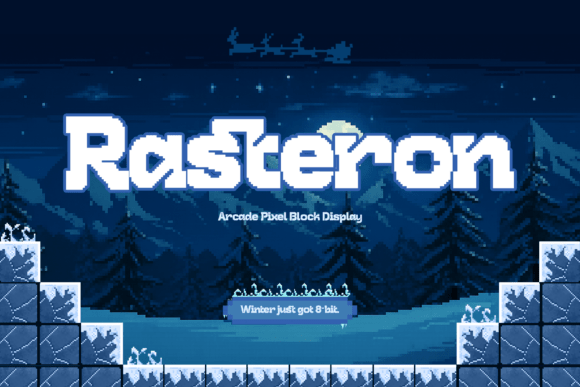
I opened a blank Figma file and stared at the white canvas. The client wanted a brand identity that felt nostalgic but not cheesy, retro but not outdated. They were launching a boutique coffee roastery called "Pixel & Bean," and they wanted the visual language to scream 8-bit gaming without looking like it belonged in a basement arcade from 1985. That was when I decided to test Rasteron. As a graphic designer, I am always hunting for typefaces that bridge the gap between digital nostalgia and modern minimalism. Rasteron is a retro-inspired arcade pixel display font designed to bring the nostalgic charm of 8-bit gaming into modern creative projects. Built on a precise pixel grid, each letter is structured, bold, and undeniably crisp.
Testing this font wasn't just about picking a style; it was about solving a specific branding problem. Could a pixelated typeface carry the weight of a premium coffee brand? Or would it look too juvenile? In this article, I’m sharing how I integrated Rasteron into a real-world design project, exploring its strengths, limitations, and how it can elevate your own Display typography choices.
Rasteron as a Headline Typeface for Digital Campaigns
When I first dropped Rasteron into the hero section of a mockup website, the impact was immediate. Unlike standard sans serif fonts that often feel sterile, this typeface brought an instant sense of personality and playfulness. For digital campaigns, especially those targeting younger demographics or creative industries, using a unique Fonts selection can significantly boost engagement rates. The key here is contrast. Because Rasteron is dense and visually heavy, it demands space. I used it exclusively for headlines, keeping body text in a clean, neutral sans serif font to ensure readability.
The precision of the pixel grid means that Rasteron renders sharply on high-resolution screens, which is crucial for web design. When scaling down for mobile views, the letters maintain their structural integrity without becoming muddy or illegible. This makes it an excellent choice for social media graphics where attention spans are short. By pairing the boldness of Rasteron with ample negative space, I created a hierarchy that guided the user’s eye directly to the call-to-action. It proved that a creative font doesn’t have to sacrifice professionalism; it just needs to be used with intention.
Rasteron for Packaging Design and Product Labels
Packaging design presents a unique challenge: you have limited surface area and need to communicate brand values instantly. For the coffee roastery project, we needed a label that stood out on crowded shelves. I tested Rasteron on various mockups, including bag stickers and box inserts. The blocky nature of the letters creates a strong geometric shape that works exceptionally well in logo design contexts. It feels solid and reliable, which subconsciously communicates quality to the consumer.
However, packaging requires careful consideration of scale. While Rasteron shines in large formats, such as storefront signage or large-format posters, it can become difficult to read if reduced too small. In our final design, we used it for the primary brand mark and product names, ensuring it remained legible even on smaller bags. For secondary information like ingredients or brewing instructions, we switched to a highly readable serif font. This combination allowed us to leverage the nostalgic appeal of Rasteron while maintaining the trustworthiness associated with traditional print materials. The result was a package that felt both modern and timeless.
Rasteron in Editorial Design and Print Marketing Materials
Editorial design often relies on texture and rhythm, and Rasteron offers a distinct visual texture that can break up monotony. During the creation of a promotional flyer for a local pop-up event, I experimented with mixing Rasteron with more delicate typefaces. The juxtaposition of the rigid, pixelated structure against flowing script fonts created a dynamic tension that kept readers engaged. This technique is particularly effective for marketing materials aimed at creative agencies or tech startups who want to signal innovation and forward-thinking.
One practical tip I learned during this process is to avoid overusing all-caps with Rasteron. While it looks striking in uppercase, the pixelated edges can create optical illusions that make certain letters blend together. Using title case or lowercase for shorter phrases improved readability without losing the stylistic flair. Additionally, color plays a huge role in how this font performs. I found that high-contrast color combinations, such as black on white or neon green on dark gray, enhanced the arcade aesthetic. Muted pastels worked less effectively, as they softened the sharp edges that give the font its character.
Rasteron for Social Media Graphics and Content Creation
In today’s content-driven landscape, social media graphics need to stop the scroll. Rasteron provides that stopping power through its distinctive silhouette. I used it extensively in Instagram posts and stories for the project, creating templates that could be easily updated by the client’s marketing team. Because the font has a consistent width and structure, it lends itself well to grid-based layouts common in social media design. Whether used for quote cards, announcement banners, or event flyers, Rasteron adds a layer of visual interest that generic fonts simply cannot match.
Another advantage of using Rasteron for social media is its versatility across platforms. It looks equally good on Instagram, Twitter, and LinkedIn, provided the context matches the brand voice. For businesses in the gaming, tech, or youth culture sectors, this font aligns perfectly with audience expectations. It signals that the brand understands internet culture and isn’t afraid to be playful. However, for corporate communications or formal announcements, it’s best to reserve Rasteron for accent elements rather than primary messaging.
Font Pairing Strategies with Rasteron
Selecting the right companion font is critical when working with a statement typeface like Rasteron. Since Rasteron is a Display font with strong geometric properties, it pairs beautifully with clean, minimalist typefaces. I recommended a modern sans serif font for body copy because its neutrality allows Rasteron to take center stage. Conversely, pairing it with a classic serif font can create an interesting clash between old-world elegance and digital retro-futurism, which worked surprisingly well for the coffee brand’s backstory section.
Avoid pairing Rasteron with other decorative or busy fonts. The pixel grid already introduces a lot of visual noise, so adding another complex typeface will result in a cluttered and confusing design. Stick to simple forms. Also, consider weight variations. If available, using lighter weights of Rasteron for subtitles can provide a nice gradient of emphasis, though typically, sticking to one weight maintains the cohesive 8-bit aesthetic. Always test your pairings in grayscale first to ensure there is enough contrast in value before introducing color.
Practical Tips for Implementing Rasteron in Your Projects
Before committing to Rasteron for a full brand system, I strongly advise testing it in various contexts. Download the font files and experiment with different sizes, colors, and backgrounds. Check how it interacts with images and logos. Ensure that the kerning and spacing work well for your specific layout needs. Pay attention to included styles, alternates, and ligatures if they are part of the package, as these can add subtle variations that enhance your design.
Furthermore, verify the commercial licensing terms. If you are using Rasteron for client work, ensure that the license covers the intended use cases, such as web design, print materials, and merchandise. Proper licensing protects both you and your client from legal issues. Finally, remember that trends come and go, but good design principles endure. Rasteron taps into a enduring love for retro aesthetics, making it a valuable asset in any designer’s toolkit. By using it thoughtfully and strategically, you can create memorable brand identities that resonate with audiences on a deeper, emotional level.