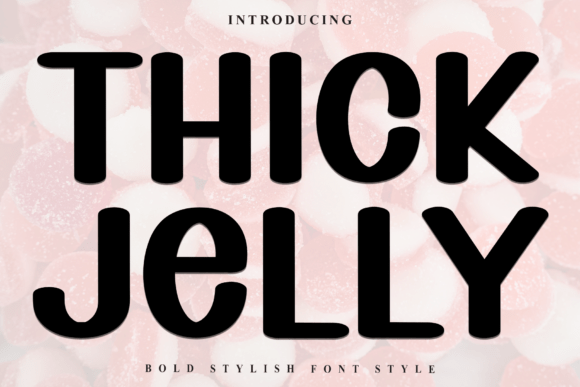
Thick Jelly Typeface: Bold Display Fonts for Playful Web Design
When you are looking to inject personality into your digital projects, Thick Jelly stands out as a premium display font that delivers immediate visual impact. As a web designer who prioritizes both aesthetic appeal and functional readability, I have found that choosing the right typeface is often the difference between a generic template and a memorable brand experience. This bold, stylish font is designed to make a sweet and lasting impression, utilizing ultra-thick, rounded letterforms that capture attention without sacrificing legibility on modern screens.
Why Thick Jelly Enhances Hero Sections and Landing Pages
The primary strength of Thick Jelly lies in its ability to command space, making it an ideal choice for hero sections and landing pages where first impressions dictate user engagement. In the realm of Display typography, few typefaces offer the same balance of weight and approachability. The rounded edges of the letterforms soften the boldness, creating a friendly yet authoritative tone that resonates with diverse audiences. When designing for conversion-focused layouts, using this font for main headlines helps establish a clear visual hierarchy, guiding the user’s eye immediately to your core message. Unlike harsh geometric sans-serifs, the organic curves of Thick Jelly add a layer of warmth, which is particularly effective for lifestyle brands, creative agencies, and consumer-facing online stores.
Optimizing Visual Hierarchy with Ultra-Thick Letterforms
In digital product creation, establishing a strong visual hierarchy is crucial for guiding users through content. Thick Jelly supports this goal by providing distinct contrast against lighter body copy. Its ultra-thick structure ensures that headings remain dominant even when scaled down for tablet or mobile views. For web designers, this means less reliance on color or background blocks to separate sections; the font itself does the heavy lifting. By pairing these bold headers with a clean, neutral sans-serif font for body text, you create a rhythmic flow that encourages scanning. This combination not only improves readability but also reinforces brand professionalism, as the structured contrast signals thoughtful design intent.
Best Use Cases for Thick Jelly in Digital Branding
While Thick Jelly is versatile, its specific characteristics make it shine in certain digital contexts. It is particularly well-suited for short phrases, button labels, and promotional banners where brevity meets impact. For example, in e-commerce environments, using this font for "Sale" tags or "New Arrival" banners can drive clicks by leveraging its playful energy. Similarly, for SaaS founders and tech startups looking to humanize their brand, incorporating Thick Jelly into logo design or key value propositions can break the monotony of standard corporate typography. It adds a burst of playful energy that suggests innovation and creativity, setting your digital presence apart from competitors who stick to traditional serif fonts or rigid grid-based layouts.
Readability Considerations for Mobile and Responsive Layouts
As web designers, we must ensure that our typographic choices perform flawlessly across all devices. Thick Jelly offers excellent readability on mobile screens due to its open counters and rounded terminals, which prevent pixelation at smaller sizes. However, because of its weight, it requires careful spacing management. When implementing this font in responsive layouts, increasing line height and letter spacing slightly can prevent the text from feeling cramped. On dark backgrounds, the bold white or light-colored rendering of Thick Jelly creates striking contrast, enhancing visibility. Conversely, on light backgrounds, using a deep charcoal or navy variation prevents eye strain. These nuances are critical for maintaining accessibility standards while preserving the font’s distinctive character.
Effective Font Pairing Strategies for Web Interfaces
To maximize the potential of Thick Jelly, strategic font pairing is essential. Since this is a decorative display font, it should be used sparingly to avoid overwhelming the user interface. A common and effective strategy is to pair Thick Jelly with a simple, highly legible sans-serif font like Inter, Roboto, or Helvetica Neue for body copy and navigation menus. This juxtaposition highlights the uniqueness of the display font while ensuring that long-form content remains easy to read. For more editorial or boutique designs, pairing Thick Jelly with a classic serif font can create a sophisticated, high-end feel suitable for fashion blogs or luxury product launches. The key is to let Thick Jelly serve as the accent, drawing attention to headlines while the supporting typography handles information delivery.
Technical Specifications and Licensing for Commercial Projects
Before integrating any new typeface into a client project or personal portfolio, understanding the technical and legal aspects is vital. When purchasing Thick Jelly, check for included file formats such as OTF, TTF, and WOFF/WOFF2 for webfont embedding. Ensuring cross-browser compatibility is necessary for consistent rendering across Chrome, Safari, Firefox, and Edge. Additionally, verify if the license covers commercial use for websites, online stores, and digital templates. Most premium fonts require separate licenses for desktop publishing and web embedding, so reviewing the terms protects you from legal issues. Proper licensing also supports the type designers, encouraging the creation of high-quality Fonts that continue to elevate the digital landscape.
Creating Consistent Online Identity with Thick Jelly
Consistency is the backbone of strong brand identity, and Thick Jelly provides a unique anchor for cohesive design systems. By restricting its use to specific elements—such as page titles, section dividers, and call-to-action buttons—you create a recognizable visual language. This consistency builds trust with users, as they begin to associate the font’s playful yet bold personality with your brand values. Whether you are designing a coaching website, a course sales page, or a creative portfolio, using Thick Jelly strategically ensures that your digital products feel unified and intentional. It transforms standard web pages into engaging experiences that leave a sweet and lasting impression on every visitor.