Dropflow: A Playful Liquid Display Font for Bold Branding
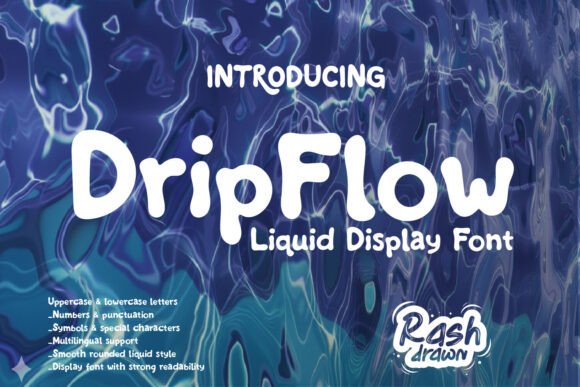
I remember staring at a blank Figma canvas, the cursor blinking mockingly. The client was a boutique skincare brand looking to shake off its clinical, sterile image and inject some serious personality into their visual identity. They wanted "fun," but not childish. They wanted "bold," but approachable. That’s when I pulled Dropflow from my library. It wasn’t just another decorative typeface; it was a liquid-style display font that immediately solved the mood problem. Inspired by soft drips, flowing shapes, and rounded forms, this font brings a strong visual presence that feels both playful and professional. In this review, I’ll walk you through how Dropflow performed across a full branding project—from logo drafts to packaging mockups—and whether it deserves a spot in your commercial design toolkit.
Dropflow for Skincare Packaging and Product Labels
When we started applying Dropflow to product labels, the results were instant. As a display font, it thrives on large surfaces where its unique character can breathe. We tested it on a matte black jar label for a body oil line. The rounded forms of the letters seemed to melt slightly against the dark background, creating a tactile sensation even though it was just ink on paper. This is exactly what a creative font should do: evoke a feeling before the customer even reads the ingredient list.
The fluidity of the glyphs makes it an excellent choice for packaging design where you want to suggest texture—like honey, gel, or cream—without using literal imagery. However, readability requires strategy. Because Dropflow is designed to look fun, friendly, and expressive, it loses legibility if scaled down too small. On our initial mockups, the smaller subtext became a muddy blob. The solution? Pairing. We kept Dropflow strictly for the brand name and primary product title, using a clean sans serif font for the details. This hierarchy ensured that while the brand identity remained bold and recognizable, the necessary information remained accessible.
Dropflow in Logo Design and Brand Identity Systems
Using Dropflow for logo design requires a delicate hand. Its inherent "drip" aesthetic can easily tip over into looking like a mess if kerning isn't handled with precision. During the testing phase, I found that the font works best as a standalone logotype for short names (two to four words). When we applied it to longer company names, the visual rhythm became chaotic, competing for attention rather than supporting it.
That said, the versatility of these fonts is impressive. We experimented with Dropflow as an accent font within a more rigid geometric system. By placing a single word in Dropflow amidst otherwise neutral typography, we created a focal point that drew the eye immediately. This technique is powerful for modern typography systems that need a splash of personality without sacrificing structural integrity. For brand identity, Dropflow signals creativity and approachability. It tells the audience that the business doesn’t take itself too seriously, which is perfect for lifestyle brands, cafes, and creative studios.
Dropflow for Social Media Graphics and Web Headers
In the digital space, stopping the scroll is half the battle. Dropflow is a premium font option for social media graphics because its high contrast and distinct shapes stand out against busy feeds. We used it for Instagram story templates and YouTube thumbnails. The bold weight ensures that even on mobile screens, the text commands attention. The liquid style adds a layer of sophistication that generic bubble fonts often lack.
For web design, particularly in homepage hero sections, Dropflow offers a memorable first impression. However, performance matters. While it looks stunning as a headline font, it should never be used for body copy. The rounded forms and irregular baselines make long-form reading fatiguing. I recommend using it for H1 headers only, paired with a highly readable sans serif font for paragraphs. This combination balances the artistic flair of the display font with the functional needs of user experience (UX). If you are building a site for a crafty handmade shop or a trendy bakery, this pairing creates a warm, inviting atmosphere that encourages engagement.
Dropflow for Business Cards and Print Collateral
Transitioning to print, Dropflow demonstrated its strength as a decorative font for physical assets. We printed a batch of business cards using a spot UV finish on the Dropflow text. The glossy effect highlighted the "drips" and curves, making the font pop off the card. This tactile element reinforced the brand’s message of quality and attention to detail.
However, printing with display fonts comes with risks. The thin connections between letters in some of the glyph variations can break if the resolution is low or the print quality is poor. Always test your files at actual size before sending them to the press. For flyers and posters, Dropflow excels in editorial design contexts where the layout is minimal. Let the font be the star. Avoid cluttering the design with excessive images or patterns. The font’s personality is strong enough to carry the entire visual load when given the right amount of white space.
Limitations and Font Pairing Advice
No typeface is a silver bullet, and Dropflow has specific limitations. It is not suitable for formal corporate use, legal documents, or any context requiring strict neutrality. The playful nature of the font inherently communicates informality. Additionally, because it is a specialized display font, it lacks the extensive character set needed for heavy multilingual support. If your project involves multiple languages, check the included styles and ligatures carefully to ensure all required accents and symbols are present.
For font pairing, Dropflow plays well with simplicity. Since the font itself is visually "loud," it needs quiet partners. A geometric sans serif font provides a stable foundation that contrasts nicely with the organic shapes of Dropflow. A classic serif font can also work if you want to create a juxtaposition between traditional elegance and modern playfulness. Avoid pairing it with other script fonts or handwritten fonts, as this will create visual noise and confuse the viewer. The goal is balance: let Dropflow handle the expression, and let your secondary typeface handle the communication.
Final Verdict on Commercial Use and Licensing
After putting Dropflow through its paces in a realistic branding scenario, it stands out as a versatile and charming addition to any designer’s arsenal. It successfully bridges the gap between whimsical and professional, making it ideal for entrepreneurs, marketers, and content creators who want to add a touch of personality to their visual assets. Whether you are designing a logo, a website header, or a product label, Dropflow delivers impact.
Before incorporating this font into final client work, always review the commercial font licensing agreement. Ensure you have the appropriate rights for the scale of your project, especially if you plan to use it in merchandise, templates, or print-on-demand products. With proper licensing and thoughtful application, Dropflow can elevate your design assets from ordinary to unforgettable.