Letterpunk: The Bold Grunge Brush Script Display Font for Edgy Branding
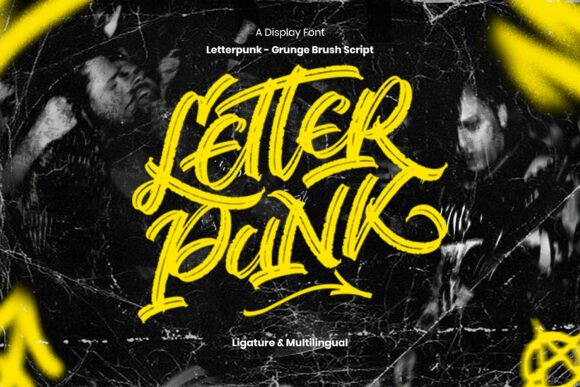
If you are looking to inject raw energy and authentic rebellion into your brand identity, Letterpunk is the perfect creative asset. As a small business owner who has struggled to make my handmade goods stand out in a crowded online marketplace, I found that choosing the right typeface was just as critical as the product itself. This bold grunge brush script display font built for rebellion, noise, and raw expression captures exactly the kind of DIY spirit that resonates with modern consumers. Inspired by underground punk scenes, DIY posters, chaotic gigs, and street protest visuals, this typeface brings an immediate sense of attitude and personality to any design project.
In this guide, I will share how I used Letterpunk to transform my business materials from generic to unforgettable. We will explore how this specific font style can help your small business look more consistent, professional, recognizable, and trustworthy across real-world business touchpoints. Whether you run a boutique, a café, or an online shop, understanding how to leverage expressive fonts like Letterpunk can significantly elevate your brand’s visual impact.
Why Letterpunk Elevates Logo Design and Brand Identity
Your logo is the face of your business, and using a standard serif font or a basic sans serif font might not convey the unique story you want to tell. When I decided to rebrand my artisanal candle line, I needed something that felt handcrafted yet powerful. Letterpunk served as the ideal display font for this purpose. Its rough, textured edges mimic the look of stenciled graffiti or torn paper, which instantly communicates authenticity and a non-conformist attitude.
By integrating Letterpunk into my primary logo design, I created a visual hook that customers remember. Unlike clean, corporate typefaces that can feel cold, this creative font invites interaction. It suggests that the brand behind it is human, passionate, and willing to take risks. For entrepreneurs in the fashion, music, or alternative lifestyle sectors, using a font that embodies chaos and creativity helps attract a loyal community that values individuality over mass-produced perfection. When paired correctly, Letterpunk becomes the anchor of a cohesive brand identity that feels both modern and timeless.
Letterpunk for Product Labels and Packaging Design
One of the most practical applications I found for Letterpunk was on product labels and packaging. In the world of e-commerce and physical retail, your packaging is often the first physical interaction a customer has with your brand. I started using Letterpunk for the main branding on my stickers, wax seals, and shipping boxes. Because it is a bold display font, it commands attention even at smaller sizes, provided it is used strategically.
For example, on my product labels, I used Letterpunk for the brand name while keeping the ingredient lists and usage instructions in a simple, readable sans serif font. This contrast ensures that while the brand looks edgy and memorable, the essential information remains clear and professional. This approach builds trust because customers appreciate clarity alongside aesthetics. If you sell beauty products, craft supplies, or gourmet foods, using a distinctive font like Letterpunk on your packaging differentiates your shelf presence. It signals that your product is premium and thoughtfully designed, encouraging impulse buys and repeat purchases.
Using Letterpunk for Social Media Graphics and Digital Ads
Social media is a visual-first platform, and standing out in a feed requires strong typography. I began incorporating Letterpunk into my Instagram posts, Pinterest graphics, and Facebook ads. The grunge aesthetic cuts through the clutter of polished, overly curated images. When I posted promotional content for limited-edition drops, using Letterpunk as a headline overlay grabbed attention immediately. The "noise" and texture of the font create a sense of urgency and excitement that aligns well with flash sales or exclusive launches.
However, readability is key when designing for mobile screens. I learned to use Letterpunk sparingly for short headlines or quotes rather than long paragraphs. By pairing it with ample negative space and high-contrast backgrounds, the text remained legible without losing its rugged charm. This strategy helped increase my engagement rates, as followers responded positively to the bold, unapologetic visual style. For service providers or coaches who want to appear approachable yet authoritative, mixing this expressive typeface with clean digital assets can create a balanced and compelling social media presence.
Letterpunk for Menus, Flyers, and Event Marketing
If you own a café, host workshops, or organize local events, traditional typography might not capture the vibe of your venue. I experimented with Letterpunk for my event flyers and menu headers, and the results were striking. The font’s inspiration from DIY posters and street protest visuals makes it perfect for creating a grassroots, community-driven feel. It tells your audience that your event is lively, informal, and worth attending.
When designing menus, I used Letterpunk for category titles or special dish names, while relying on a highly readable serif font for the descriptions and prices. This hierarchy guides the customer’s eye effectively, making the menu easy to navigate while still showcasing the brand’s personality. For flyers advertising gigs or markets, the raw texture of Letterpunk adds a layer of artistic credibility. It suggests that the event is curated by people who care about culture and creativity, rather than just trying to sell tickets. This subtle psychological cue can enhance perceived value and attendance.
Font Pairing Strategies for Professional Results
A common mistake beginners make is letting a decorative font dominate every element of their design. To maintain professionalism, it is crucial to pair Letterpunk with complementary typefaces. Since Letterpunk is a busy, expressive script font, it needs calm, neutral partners to balance the composition. I recommend pairing it with a clean sans serif font for body text or a classic serif font for longer passages.
This combination creates a dynamic tension between order and chaos, which is visually appealing and easy to read. For instance, using a minimalist sans serif font for contact information or website navigation alongside Letterpunk in the hero section ensures that your site looks modern and functional. This practice reinforces the idea that while your brand has edge, it is also reliable and organized. Good font pairing is a hallmark of professional design, and mastering it allows you to use Letterpunk confidently across all your marketing materials without overwhelming your audience.
Testing and Licensing Considerations for Business Owners
Before committing to Letterpunk for your entire brand suite, I advise testing it thoroughly. Print out samples on different materials such as cardstock, vinyl stickers, and fabric tags to see how the grunge texture reproduces. Some fine details in brush scripts can get lost in low-resolution printing or small formats, so always check the output quality. Additionally, ensure you understand the commercial licensing terms. Using a premium font for client work, merchandise, or digital downloads requires proper authorization to avoid legal issues.
Investing in the correct license protects your business and respects the designer’s work. Once you have verified the licensing and tested the print quality, Letterpunk can become a cornerstone of your design toolkit. It offers a versatile solution for businesses that want to break away from the ordinary and connect with customers on a deeper, emotional level. By applying these practical strategies, you can harness the power of Letterpunk to build a brand that is not only seen but felt.