Logic Font Review: Rhythmic Script for Editorial Design
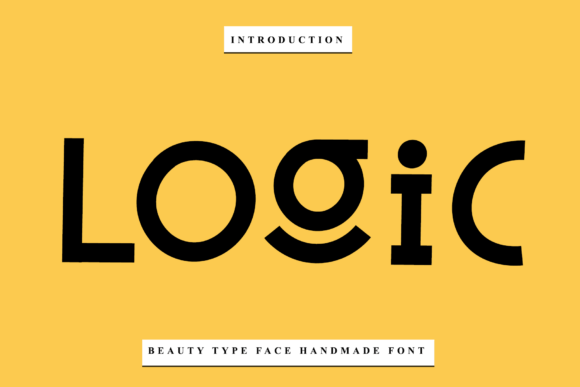
I remember the exact moment I realized my blog’s visual identity was fighting against its content. For years, I had been using a rigid, geometric sans-serif for everything from headers to pull quotes, assuming it projected "modern authority." But as I transitioned into writing more personal essays and lifestyle guides, that cold structure felt out of place. The words were warm, human, and organic, yet the typography screamed corporate efficiency. I needed a typeface that could breathe with the text, not just sit on top of it. That search led me to Logic, a sophisticated and rhythmic script font that balances a calligraphic style with a warm, organic aesthetic.
This wasn’t just another decorative script; it was a tool designed for editorial integrity. After testing Logic across various layouts—from newsletter graphics to digital magazine covers—I found it offered the perfect bridge between artistic flair and structural clarity. If you are an independent publisher or designer looking to elevate your publication’s mood without sacrificing readability, here is how this display font performs in real-world scenarios.
Why Logic Works for Lifestyle Blog Headers and Covers
When designing a cover page or a hero header, the goal is to capture attention within seconds while setting the emotional tone. Logic excels here because it features high-contrast visual rhythm with thick, grounded downstrokes. This characteristic gives the letters a sense of weight and presence that lighter scripts often lack. In my recent redesign of a wellness coaching workbook, I used Logic for the main title. The thick downstrokes provided a solid foundation that anchored the page, preventing the design from feeling floaty or insubstantial.
Unlike many handwritten fonts that can feel chaotic or difficult to parse at large sizes, Logic maintains a disciplined structure. The balanced proportions ensure that even when scaled up for a magazine cover or a YouTube thumbnail, the characters remain distinct and legible. This makes it an ideal choice for bloggers who want their titles to feel personal and crafted, rather than generic or machine-generated. The warm, organic aesthetic softens the authority of the headline, inviting the reader in rather than commanding them. For creators selling digital products like printable planners or course PDFs, this balance of warmth and professionalism is crucial for building trust with your audience.
Enhancing Editorial Mood in Newsletter Graphics
Email marketing is often overlooked in terms of typographic sophistication, but it is where brand personality truly shines. When crafting a weekly newsletter graphic or a promotional banner, designers frequently struggle to find a font that stands out without clashing with the body copy. Logic serves as an excellent accent font for these contexts. Its rhythmic quality adds movement to static HTML emails or image-based headers, guiding the eye toward key calls-to-action.
In one project involving a recipe ebook, I paired Logic with a clean serif font for the ingredient lists. The contrast between the expressive, calligraphic style of the title and the structured reliability of the body text created a clear visual hierarchy. Readers instantly knew where to look for the dish name versus the instructions. This pairing works because Logic does not compete for attention in dense areas; instead, it frames the content. For newsletter writers and content brands, using Logic for section dividers, quote highlights, or subject line accents can significantly increase engagement by adding a layer of curated elegance to your communications.
Best Practices for Pull Quotes and Chapter Openers
Pull quotes are essential for breaking up long-form text and encouraging skimming, but they often end up looking like afterthoughts. Logic transforms standard pull quotes into design statements. Because the font has such a strong character, it can carry significant visual weight even in smaller sizes. I tested this by embedding a single sentence from a feature article in Logic, italicized and centered. The result was striking—the text felt intentional and valuable, prompting readers to pause and reflect.
Similarly, for chapter openers in digital magazines or EPUBs, Logic provides a ceremonial feel without being overly ornate. It signals a transition in the narrative, marking a new section with grace. However, it is important to use restraint. Let the font speak for itself; avoid surrounding it with excessive borders or heavy backgrounds. The power of Logic lies in its negative space and the natural flow of its strokes. When used sparingly for these specific editorial elements, it enhances the perceived value of the content, making free articles feel premium and paid guides feel luxurious.
Readability Considerations for Screen and Print
While Logic is a display font, understanding its limitations is key to effective design. It is not suitable for body copy, small captions, or dense paragraphs. The high-contrast nature of the letterforms, combined with the varying thickness of the strokes, can cause visual fatigue if read in large blocks. My experience confirms that Logic is best reserved for titles, subtitles, headlines, and short decorative accents. For the actual reading material, stick to highly readable serif or sans serif fonts.
For screen reading, particularly on mobile devices, larger font sizes are recommended for Logic. At smaller sizes (below 24px), the delicate connections between strokes may become muddy or pixelated, especially on lower-resolution screens. Always test your designs at actual viewing sizes. When exporting to PDF for print materials like wedding guides or physical workbooks, ensure you have sufficient resolution. The organic aesthetic of Logic benefits greatly from high-quality print, where the subtle variations in stroke width can be appreciated fully. Avoid using it for legal disclaimers, fine print, or navigation menus where clarity is paramount over aesthetics.
Font Pairing Strategies for Cohesive Layouts
To get the most out of Logic, you need complementary typefaces that ground its energy. A classic combination is pairing Logic with a modern serif font for body text. The serifs provide a traditional, trustworthy backdrop that contrasts nicely with the contemporary, flowing lines of the script. Alternatively, a clean sans serif font works well for UI elements, buttons, and secondary information. This creates a triad of typographic roles: the expressive voice (Logic), the reliable narrator (serif body text), and the functional guide (sans serif UI). This approach ensures that your publication feels cohesive, professional, and easy to navigate, regardless of the platform.
Final Verdict on Logic for Creative Professionals
Logic is more than just a pretty font; it is a strategic asset for editorial designers who want to infuse their work with soul and rhythm. Its ability to balance calligraphic elegance with structural stability makes it versatile enough for both digital and print media. Whether you are branding a new lifestyle blog, designing a high-end wedding invitation suite, or creating engaging social media graphics, Logic offers the sophistication needed to stand out in a crowded digital landscape.
Before purchasing, check the included styles, alternates, and ligatures to ensure they meet your specific design needs. Also, verify the commercial license terms, especially if you plan to use the font in client publications, resellable templates, or mass-market ebooks. For bloggers, publishers, and designers seeking a font that respects both art and function, Logic is a compelling addition to any creative toolkit. It brings a calm, expert touch to your layout, ensuring your content is not only read but felt.