Mountain February Handwritten Font Review for Editorial Design
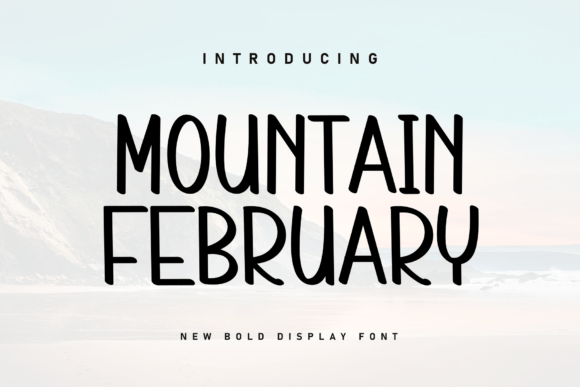
The cursor blinked on the blank canvas of a new lifestyle blog redesign. It was 7:00 PM, and the deadline for the homepage header was looming. I had spent hours selecting body copy fonts that prioritized readability on mobile devices, but the title needed something more. It needed warmth. It needed to feel like a handwritten note left on a kitchen counter rather than a sterile corporate announcement. That is when I turned to Mountain February, a sweet and beautiful handwritten font designed to add a cozy accent to any design project you wish to create. In this review, we will explore how this display font fits into modern editorial workflows, from digital newsletters to printable planners.
Mountain February Display Font for Lifestyle Blog Headers
When designing a content layout, the hierarchy of information dictates how a reader engages with your brand identity. Using Mountain February as a primary display element immediately establishes a tone that is approachable yet sophisticated. The characters in this typeface feature a unique rhythm; they dance along the baseline, creating a gentle undulation that guides the eye across the headline without causing visual fatigue. This organic movement contrasts beautifully with rigid grid systems often found in web design, softening the overall aesthetic of a publication.
I tested this font in a series of H1 and H2 tags for a personal wellness blog. Unlike standard script fonts that can become illegible at smaller sizes or on low-resolution screens, Mountain February maintains its clarity while retaining its artistic flair. The "sweet" quality mentioned in its description translates well to digital environments, where users scroll quickly. A headline set in this font acts as a visual anchor, inviting the reader to pause and absorb the mood of the article before diving into the text. It transforms a standard blog post header into an editorial statement, reinforcing the publication's focus on comfort, authenticity, and human connection.
Mountain February Fonts for Wedding Guides and Invitations
One of the most compelling use cases for this typeface lies in the wedding and event industry, where emotional resonance is paramount. Creating a wedding guide or a digital invitation suite requires typography that feels intimate and personal. By incorporating Mountain February into these projects, designers can evoke a sense of nostalgia and romance. The font’s handwritten nature suggests that every word has been carefully considered, much like the vows being exchanged.
In a recent project involving a downloadable PDF wedding planner, I used Mountain February for section dividers and pull quotes. Because the font adds a cozy accent, it helped break up dense informational text, making the guide feel less like a manual and more like a conversation with a friend. When paired with a clean serif font for the detailed logistical information, the contrast created a balanced visual hierarchy. The display font captured attention for titles such as "Our Story" or "The Timeline," while the body copy remained crisp and easy to read. This combination ensures that the design remains functional for guests who need to find specific details quickly, without sacrificing the romantic aesthetic.
Mountain February for Printable Planners and Workbooks
Digital product creators, particularly those selling on platforms like Etsy or Gumroad, often struggle to make their templates stand out in a crowded marketplace. A high-quality display font can be the differentiator that increases click-through rates and perceived value. I applied Mountain February to a coaching workbook template intended for life coaches and creative entrepreneurs. The goal was to make the worksheets feel encouraging and supportive rather than clinical.
The font’s ability to "dance along the baseline" adds a playful energy to task lists and reflection prompts. For example, using it for headers like "Daily Gratitude" or "Weekly Wins" injected positivity into the layout. However, practical considerations must be kept in mind. While Mountain February is excellent for short phrases, titles, and decorative accents, it is not suitable for long-form body copy. In the workbook, I reserved the bulk of the instructional text for a highly legible sans serif font. This distinction is crucial for user experience; readers should never have to strain to decipher the instructions just because the designer wanted to showcase a creative font. By limiting Mountain February to key focal points, the document remained accessible and professional.
Typography Pairing Strategies for Editorial Consistency
Successful editorial design relies heavily on thoughtful font pairing. No single typeface can handle every role within a complex layout. When integrating Mountain February into a broader design system, it is essential to choose complementary typefaces that enhance rather than compete with its personality. Since Mountain February is a handwritten display font with strong character, it pairs exceptionally well with neutral, structured typefaces.
- Pairing with Serifs: For magazine-style layouts or ebook covers, pairing Mountain February with a classic serif font creates a timeless, literary feel. The elegance of the serif grounds the whimsy of the handwritten font, resulting in a look that is both trendy and enduring.
- Pairing with Sans Serifs: For modern newsletters or social media graphics, a geometric sans serif provides a clean backdrop that allows the curves of Mountain February to pop. This combination works well for tech-savvy audiences who appreciate minimalism but want a touch of human warmth.
It is also important to consider the technical aspects of the font files. Before purchasing, always check the included styles, alternates, and ligatures. Some handwritten fonts offer multiple variations of certain letters, which can help prevent repetitive patterns in longer headlines. Additionally, verify multilingual support if your audience is global, and ensure the licensing terms allow for commercial use in digital downloads and print materials. Understanding these technical details ensures that the font integrates smoothly into your workflow, whether you are exporting a PDF, coding a website, or preparing files for offset printing.
Mountain February for Newsletter Graphics and Social Media
In the fast-paced world of social media and email marketing, capturing attention within seconds is critical. Visual consistency builds brand recognition, and using a distinctive font like Mountain February can become a signature element of your brand identity. I utilized this font for the subject lines of a monthly creator newsletter and for overlay text on Instagram stories. The cozy accent it provides helps differentiate branded content from the noise of generic templates.
However, screen readability varies across devices. On smaller mobile screens, large blocks of handwritten text can become difficult to read due to pixelation or limited resolution. Therefore, it is best practice to use Mountain February for headlines, call-to-action buttons, or short graphic overlays rather than paragraphs of text. By reserving the font for moments of emphasis, you maintain its impact. When used sparingly and strategically, it enhances the emotional connection with your audience, making your digital presence feel more personal and curated.